 Throughout
 X-ray diagnostic
 Diagnosis
 Ophthalmology Equipment
 Laboratory
 Surgery
 Rehabilitation
 Medical furniture
 Cosmetology
 Service maintenance
 Consumables
 Sterilization and CSSD
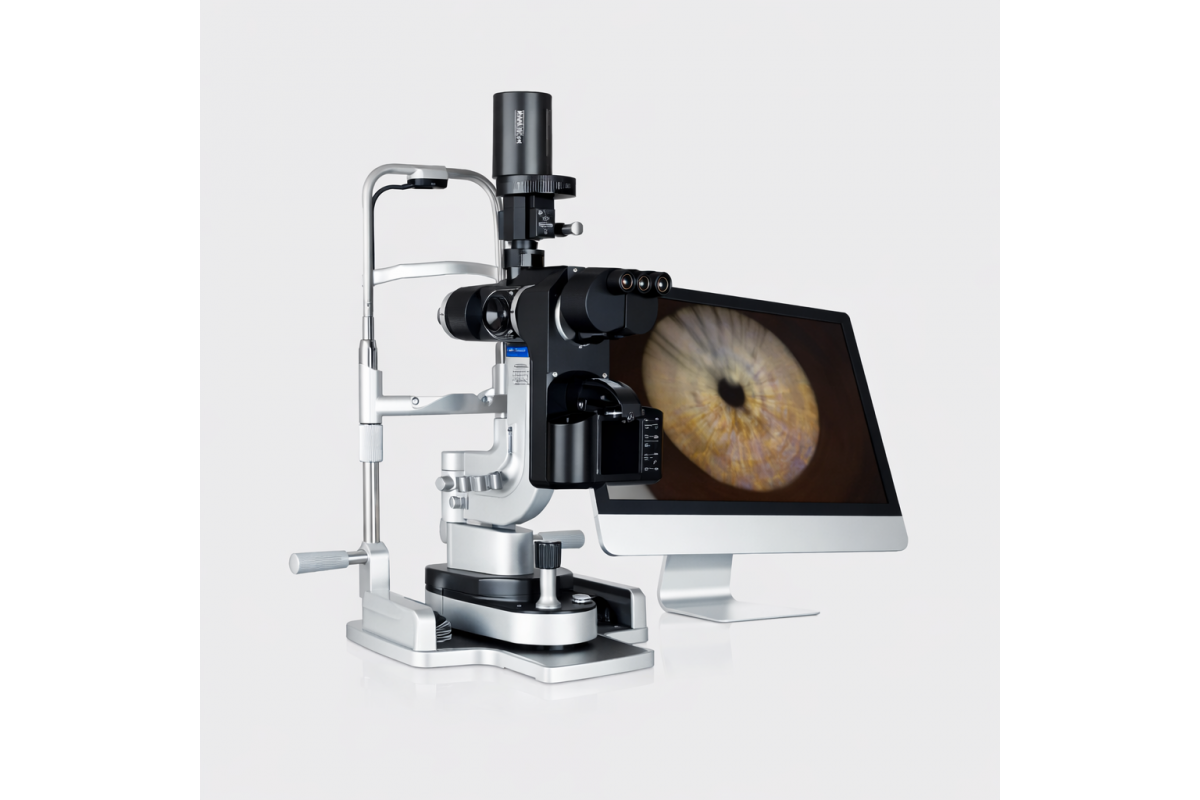
Dry Eye Analyzer SLM-6E (C)

- Warranty 12-24 months
- Warranty free service and post-warranty
- Equipment instalation and staff training at the company's expense
- Full customer support (phone consultation even after installation)
- Visiting the exhibition hall
- Leasing sale
- Holding conferences and events
- Quick response to a request
Product Features
SLM-6E(C)
-
First dry eye analyzer which was designed base on digital slit lamp in the world
-
First professional dry eye analyzer which was issued registration
-
Optical microscopy combined with high-definition digital imaging to provide cell-level images
-
Non-irritating infrared light illumination to ensure the accuracy of tear film measurement
-
Optical resolution is 2300*N lp/mm
-
New intelligent lipid layer analysis system with measurement accuracy in 1 nm
-
With depth of field adjustment, to ensure stereoscopic sense of lesions
-
Certificate by administration
-
Classic dry eye analyzer
Comprehensive Detection of Ocular Surface Microenvironment
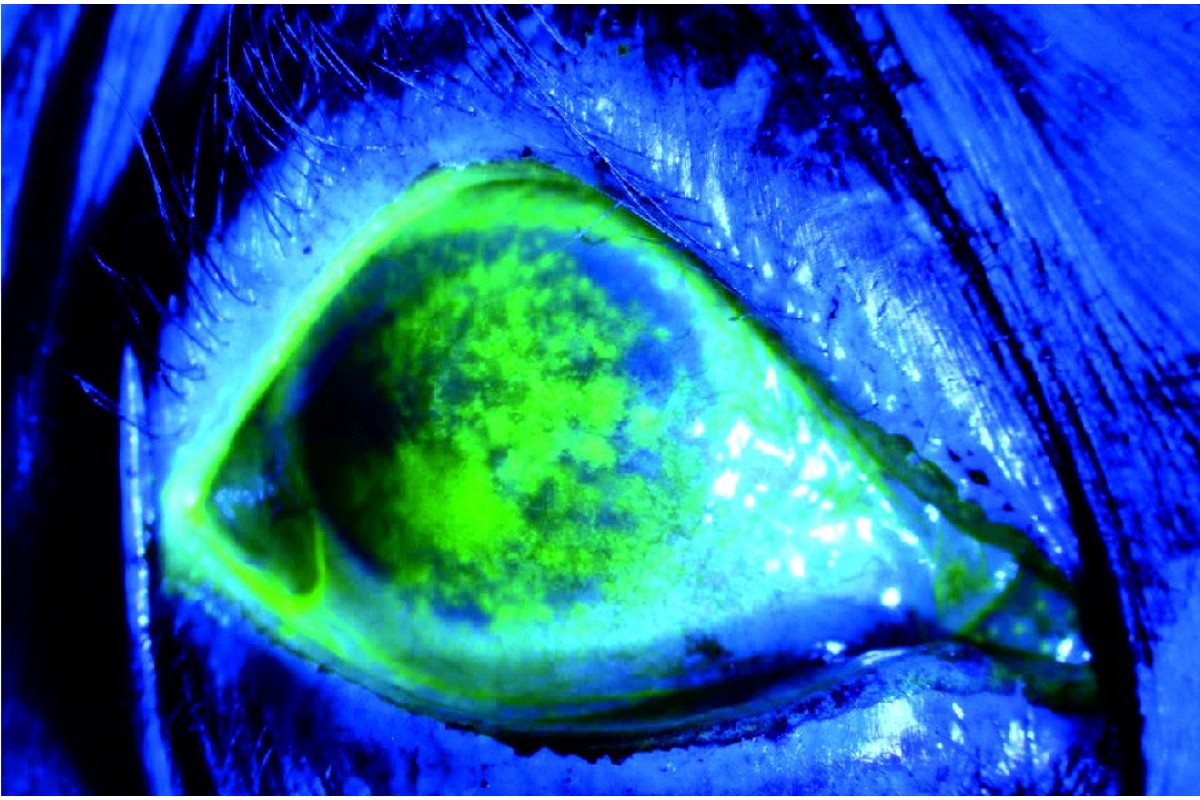
Measure the Tear Film Break-up Time (TBUT)
-
Infrared illumination, non-invasive, non-irritating, ensure smooth examination
-
High-definition video real-time monitoring of tear film changes
-
Automatic calculation of the first and mean break-up time, providing more objective and accurate assessments
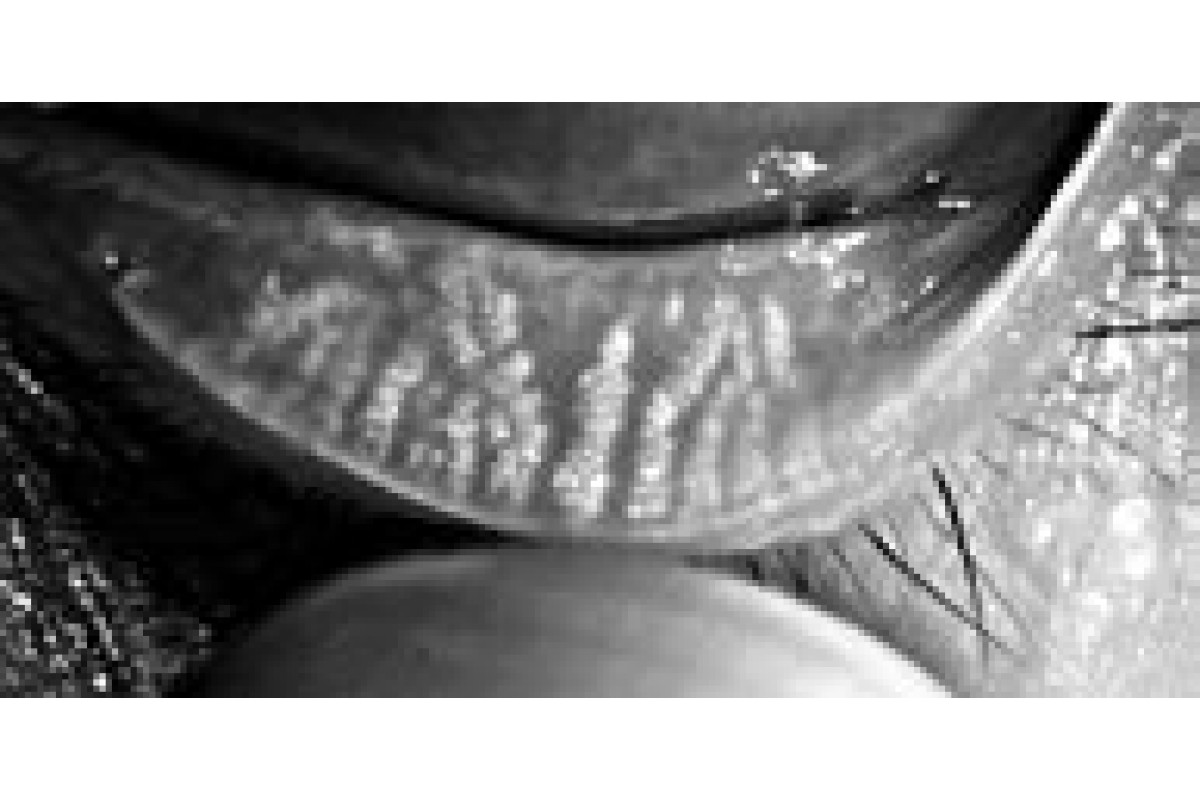
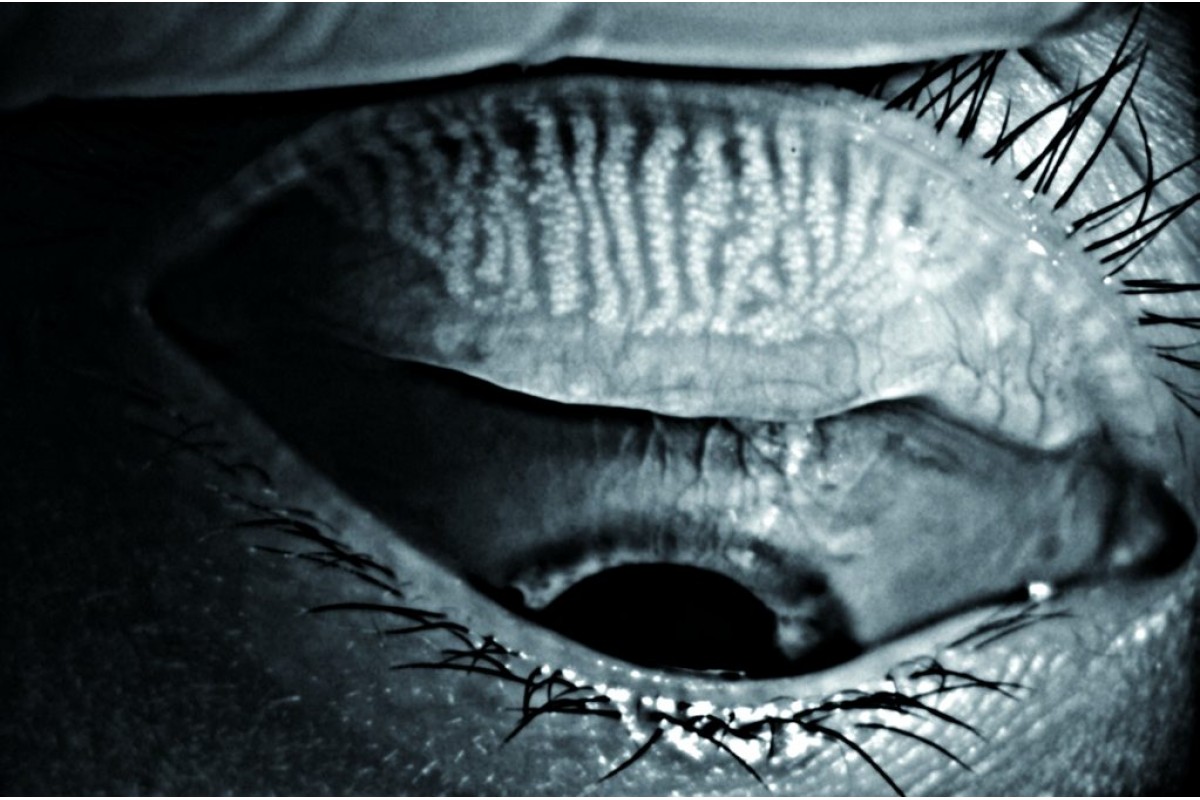
Objectively assess the meibomian glands loss, access the dry eye of lipid abnormality, supporting clinicians in immediate management of meibomian gland conditions. Optional automatic calculation of the proportion of meibomian gland loss.
Measure the Tear Meniscus Height (TMH)
-
High-definition imaging with infrared illumination
-
Non-invasive, without irritation
-
Ensure clearer images and obtain real situation of tear secretion
-
Optional automatic calculation of TMH, easy and convenient operation
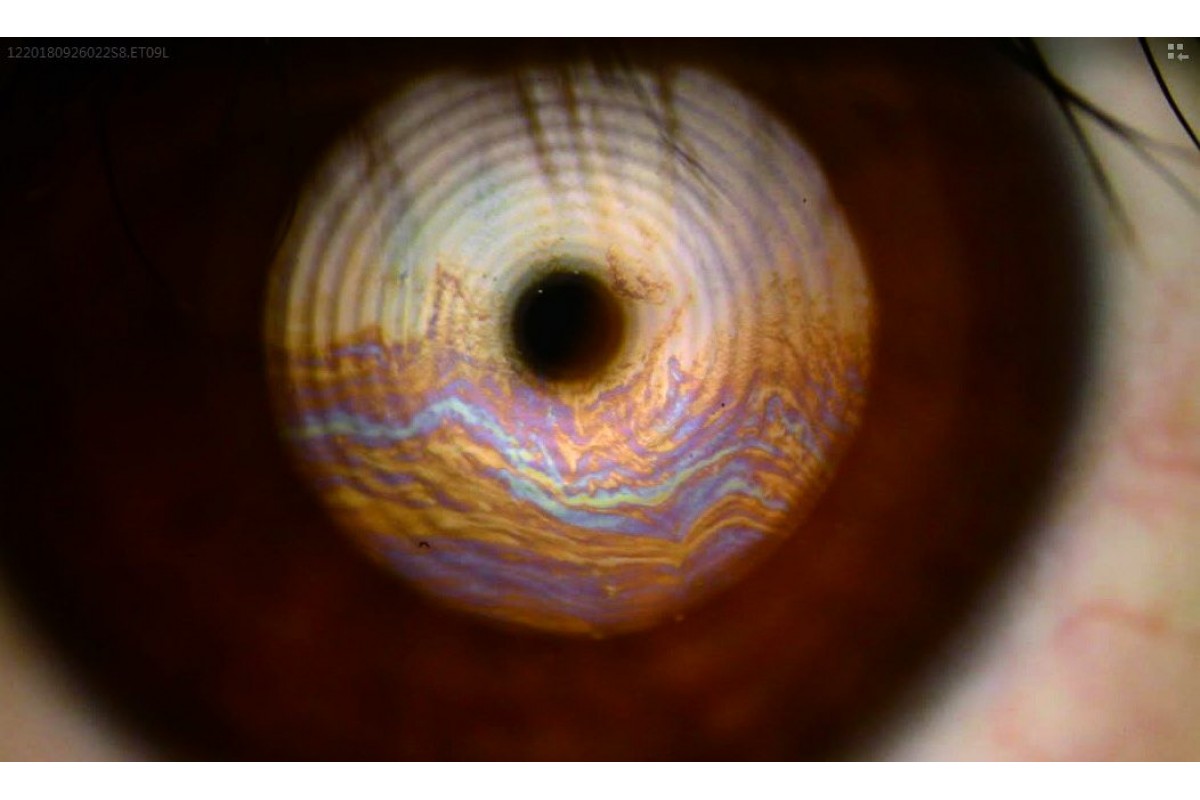
Analysis the Lipid Layer
-
Specialized interference illumination and image system
-
Real-time monitoring of lipid layer color, flow, and uniformity
-
Automatic calculation of lipid layer thickness with 1 nm precision
-
Recording incomplete blinking times to assess blink quality and determine dry eye due to tear dynamic abnormalities
Analysis the Meibomian Glands
The device detects and analyzes tear film morphology and ocular surface signs through high-definition imaging to determine the type of dry eye:
-
Water deficient type
-
Lipid abnormal type
-
Mucin abnormal type
-
Tear dynamics abnormal type
-
Mixed type
Analysis the Eye Redness
-
High-definition optical imaging for better discrimination of inflammation
-
Automatic quantification of conjunctival and ciliary congestion levels
-
Assessment of inflammation in other intraocular tissues
Routine Ocular Surface Examination
-
Routine slit lamp examinations can be performed
-
No need to change equipment or parts
-
Quick screening for other ocular surface lesions caused by dry eye
Optional Mite Examination
-
Examine demodex mites in eyelash follicles
-
Assist in judging abnormal lipid dry eye
-
Replace the biological microscope
-
Improve examination efficiency and reduce patient waiting time
Illustrated and Clear Diagnostic Report
Diagnostic Report
-
Automatically generate report forms based on inspection results
-
No need for manual filling by operators
-
Illustrated and textual report forms
-
Easy for doctors to understand patient condition and communicate
-
Comprehensive reports provide graphic and textual data
-
Itemized presentation of examination results and image details
-
Progress analysis reports present changes in examination data over different time periods
R-scan Report (Example)
-
Conjunctival level
-
Ciliary level
Reference:
-
<=2 Normal
-
2 Abnormal
Comprehensive Analysis Report
Tear Meniscus Height (TMH)
Reference:
-
Infrared >= 0.2 mm
-
Visible >= 0.3 mm
Non-invasive Break-up Time (NIBUT)
Reference:
-
Normal: BUT(1st) >= 10 s, BUT(avg.) >= 14 s
-
Critical: BUT(1st) 6–9 s, BUT(avg.) 7–13 s
-
Dry eye: BUT(1st) <= 5 s, BUT(avg.) <= 7 s
Lipid Layer Level Reference
-
Level 1: < 15 nm
-
Level 2: = 15 nm
-
Level 3: = 30 nm
-
Level 4: 30–80 nm
-
Level 5: = 80 nm
-
Level 6: 80–120 nm
-
Level 7: 120–160 nm
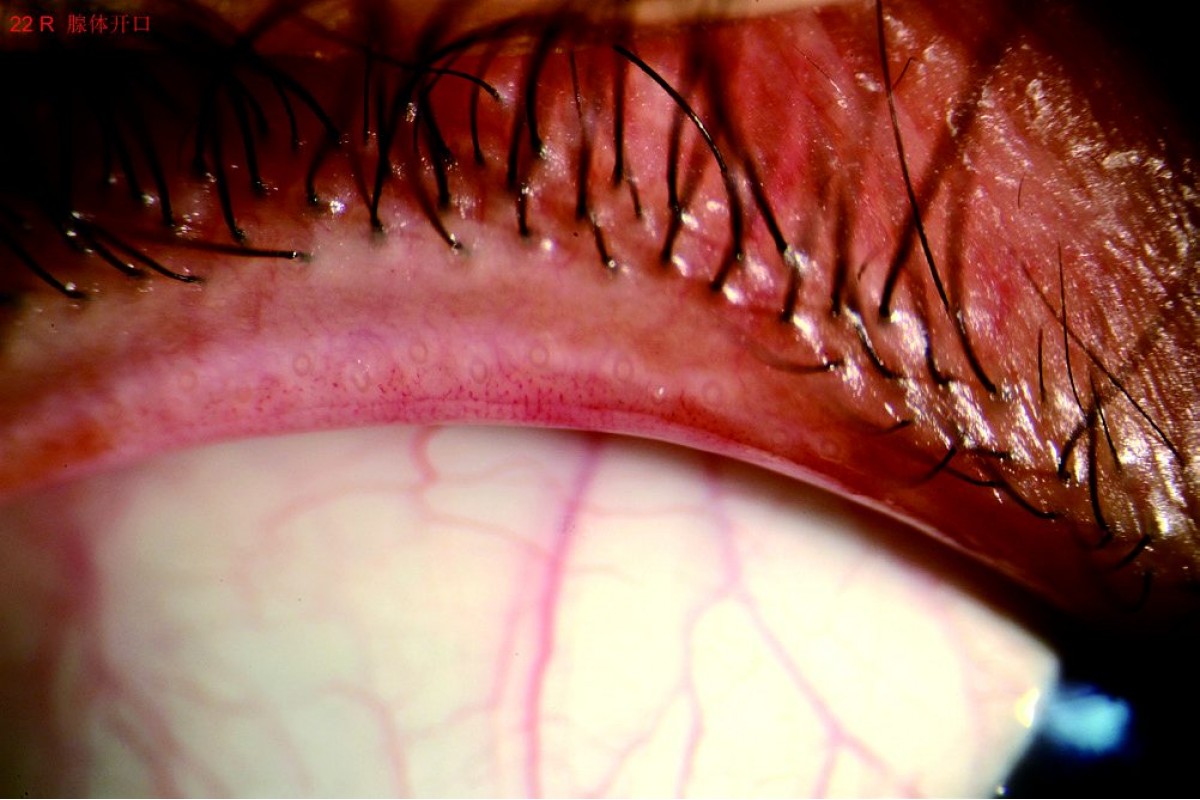
Meibomian Gland Opening Evaluation
Reference (4 levels):
-
Normal: eyelid margin is clear and transparent
-
Mild: gland openings bulge
-
Moderate: mucous membrane of eyelid margin disappears, cornification
-
Severe: eyelid irregularity, gland opening disappearance, neovascularization
Meibomian Gland Loss Evaluation
Reference:
-
Score 0: Normal
-
Score 1: Loss < 1/3
-
Score 2: Loss 1/3–2/3
-
Score 3: Loss > 2/3