
 Throughout
 X-ray diagnostic
 Diagnosis
 Ophthalmology Equipment
 Laboratory
 Surgery
 Rehabilitation
 Medical furniture
 Cosmetology
 Service maintenance
 Consumables
 Sterilization and CSSD
Medical equipment for clinics: main types, standards, and recommendations for selection
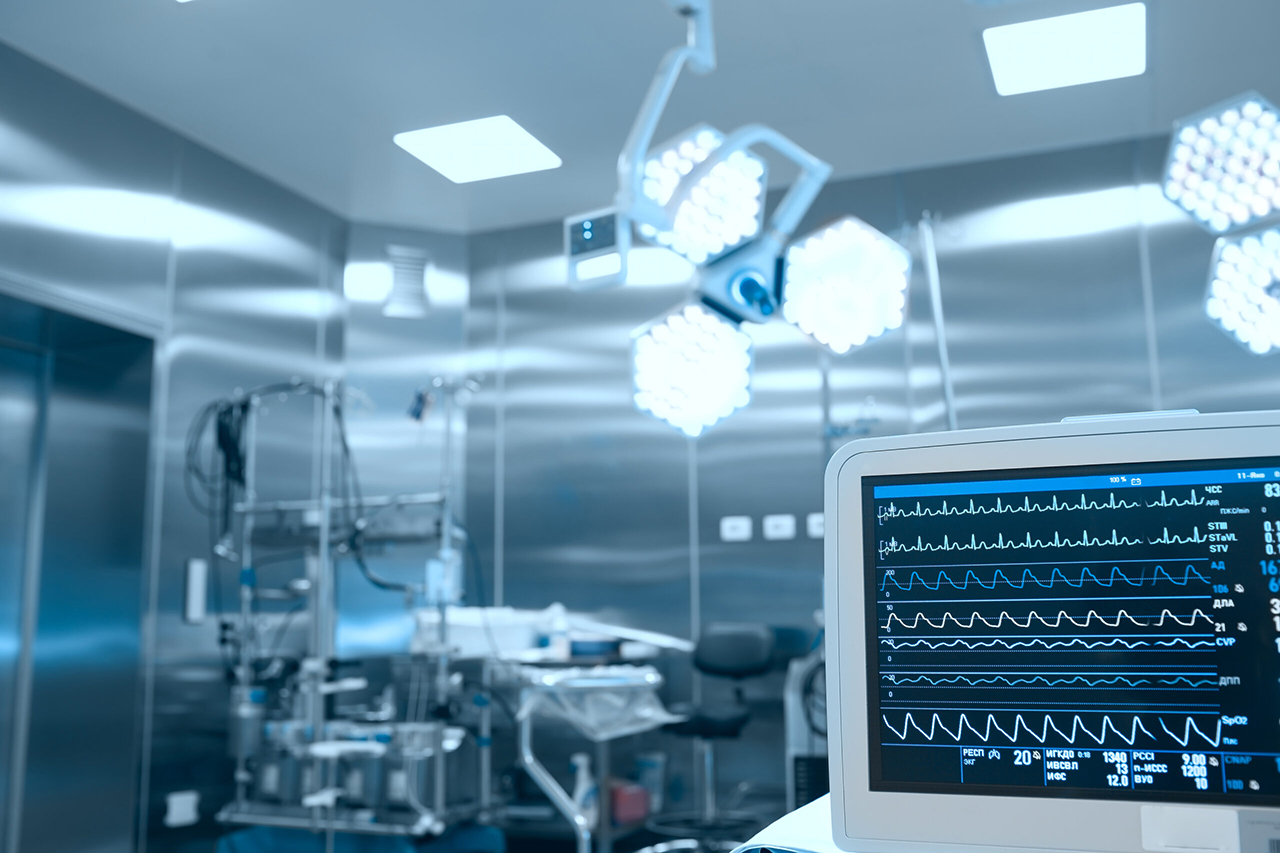
Medical equipment for clinics: main types, standards, and recommendations for selection
Modern healthcare is impossible to imagine without accurate instruments, smart monitoring systems, and diagnostic complexes. Medical equipment is not just technology for doctors. The quality of diagnostics, the safety of procedures, and the effectiveness of treatment directly depend on it. The market is developing rapidly. It is important for clinic managers to understand what equipment their institution needs, what standards to follow, and what to look for when making a purchase.
In this article, we will discuss the types of diagnostic equipment, the classification of medical technology, key requirements for it, and practical tips to help you make an informed and economically sound choice.
What is medical equipment and why should clinics understand its types?
We often hear the question: what is medical equipment and what does this concept include? Simply put, it is devices and systems designed for the diagnosis, prevention, treatment, monitoring, and rehabilitation of patients. It covers a wide range of devices and accessories, from phonendoscopes to high-precision tomographs.
For any modern clinic, understanding the types of medical equipment that exist is not a formality. Properly selected devices increase the efficiency of doctors' work, reduce costs, and eliminate various professional risks. Therefore, competent classification and then selection are the basis for the successful functioning of a medical institution.
Main types of medical equipment: from diagnostics to rehabilitation
When talking about modern medical technology, several major categories are usually distinguished.
Diagnostic equipment
This is the heart of the clinic. Diagnostic devices and instruments allow doctors to detect pathological processes at an early stage. The main diagnostic medical devices include:
- X-ray and radiology systems.
- Ultrasound machines of various classes.
- Computed tomography and magnetic resonance imaging scanners.
- Endoscopic systems.
- Laboratory analyzers.
- ECG systems and Holter monitors.
Modern diagnostic devices in medicine allow doctors to see the “big picture,” which is why the requirements for them are particularly strict.
Medical equipment
This includes devices used directly in the treatment process:
- Laser and physiotherapy devices.
- Infusion pumps.
- Ventilators.
- Surgical instruments and electrosurgical systems.
- Anesthesiology devices.
Monitoring equipment
These are devices for continuous monitoring of the patient's condition:
- Vital signs monitors.
- Pulse oximeters.
- Capnographs.
- Intensive care monitoring systems.
Rehabilitation equipment
Used for patient recovery:
- Biological feedback trainers.
- Mechanotherapy devices.
- Robotic systems for movement recovery.
Auxiliary medical equipment
Without it, the clinic cannot function properly:
- Sterilization units.
- Laboratory microscopes.
- Furniture and modular systems.
- Transportation equipment.
When compiling a list of medical equipment necessary for its work, each clinic must take into account its profile, workload, and regulatory requirements.
Standards and safety: why it is important for clinics
All medical devices must meet strict requirements. The main standards relate to the following parameters:
- Electrical safety. Devices must have reliable protection against power surges, current leakage, and overheating. This is critical in operating rooms and diagnostic rooms.
- Operational efficiency. Clinics are required to use medical equipment with proven characteristics. No “proprietary prototypes” without registration certificates.
- Ergonomics and convenience. The easier the controls are to use, the lower the risk of errors and the higher the speed of staff work.
- Service capabilities. Even modern medical equipment needs regular inspections, calibration, and technical support. Reliable service is a key criterion for choosing a supplier.
How to choose equipment: practical recommendations
When purchasing medical equipment, it is important for clinic managers and organizers to remember that choosing equipment is an investment for the next 7-10 years. Mistakes are costly, so here are some practical tips.
- Formulate a task, not a wish list. The main question is not “what do you want to buy,” but “what tasks need to be solved.” This is how a professional list of medical equipment is formed.
- Consider the actual workload. If a CT scanner will be used for 2 hours a day, there is no point in buying a premium top-of-the-line model. If the clinic is multidisciplinary and has a large patient flow, you cannot skimp on savings either.
- Compare functionality, not brand. Modern medical technology offers a wide range of models that differ in image quality, data processing speed, additional modes, and interface convenience. Sometimes mid-range models work just as well as premium ones if the task is routine diagnostics.
- Consumables and maintenance are important. Sometimes the cost of operation turns out to be higher than the purchase price. Be sure to check the service life of the sensors, the cost of components, the frequency of maintenance, and the availability of service centers.
- Assess integration into the existing environment. Modern clinics are striving for digitalization. Therefore, new devices must easily interact with PACS, RIS, LIS, and other systems.
Trends: where modern medical equipment is headed
Today, the market is actively developing in the direction of digital platforms. Here are the key areas:
- Artificial intelligence in diagnostics. Algorithms help doctors interpret images faster, find hidden pathologies, and assess risks.
- Mobile systems and portable devices. Compact ultrasound machines, mobile X-ray systems, pocket monitors—all of this is changing the approach to medicine, bringing it closer to the patient.
- Cloud technologies. Cloud-based data archiving and analysis allow clinics to exchange information, store large volumes of research, and speed up work processes.
- Smart workstations. Interfaces are becoming simpler, automation is becoming more profound, and the human factor is becoming less significant.
All these technologies make modern medical equipment not just clinic equipment, but an intelligent partner for doctors.
Where to buy medical equipment safely
The market is saturated with offers, and choosing a supplier is no less important than choosing the equipment itself. A reliable partner must provide:
- Official documents and registration certificates.
- Service support.
- Staff training.
- Warranty and clear terms of service.
- Assistance with equipment integration.
Rad Farm is one example of a supplier of advanced medical equipment.
Cost-effectiveness: how clinics can optimize costs when purchasing medical equipment
When choosing medical equipment, it is important to consider not only technical characteristics, but also the economic component. Even the most modern medical equipment can prove ineffective if operating costs and payback are not calculated. Clinic managers should view the purchase of equipment as a strategic project that will affect the financial stability of the institution for many years to come.
Budget planning: from initial cost to maintenance
The first thing to consider is the operating cost. This includes not only the price of the device, but also additional expenses:
- Technical maintenance.
- Cost of consumables.
- Staff training.
- Software updates.
- Annual inspections and calibration.
Clinics often find that a device that seems economical at first glance ends up being expensive to maintain. This is especially true for complex systems such as tomographs, laboratory analyzers, and endoscopic stands. Therefore, the choice should be made based on calculations, not just on the brand.
Assessing the return on investment of equipment
Any device should bring real benefits to the clinic. For example, diagnostic devices in medicine pay for themselves by increasing patient flow and expanding the range of services. It is important to forecast:
- The average number of examinations per day.
- The cost of the service.
- Potential growth in demand.
- The possibility of cooperation with other medical centers.
A cost-effectiveness assessment allows you to compare equipment of different classes and choose the option that truly meets the needs of your clinic.
Flexible purchasing models
Today, suppliers offer various purchasing options:
- Installment plans.
- Leasing.
- Long-term rental.
- Trade-in programs.
For small clinics, such solutions provide access to high-quality equipment without placing an excessive burden on the budget. This is especially relevant for institutions that are just starting to build their list of medical equipment and cannot immediately invest large sums.
Compatibility and scalability
To ensure that equipment serves for a long time and without unnecessary costs, it is important to choose models that can be upgraded and expanded. For example, installing new sensors for ultrasound machines, software modules for digital workstations, and flexible configuration of laboratory analyzers.
This allows clinics to gradually increase the functionality of their equipment without having to replace it entirely.
Conclusion
Today, clinics are required to keep pace with technological progress. The medical devices, types, and applications we have discussed in detail today are becoming more complex, functional, and intelligent, and the requirements for them are becoming more stringent. To work effectively, safely, and competitively, it is important to understand how the market works, what types of equipment exist, what standards are mandatory, and what to look for when purchasing.
A competent approach to equipment is the foundation of patient trust and the professional growth of a clinic. Therefore, high-quality medical equipment is becoming a key tool in modern healthcare.